Why Overprizing a Home Will Always Cost the Seller Money
I have evaluated thousands of homes in my 28 years in residential real estate. I’ve been involved in 500+ transactions. One truth has been proven over and over, leaving no doubt or wiggleroom: Overpricing costs sellers money. Be that $1,000, $50,000, or $500,000. It never serves the seller. Ever.
For me, pricing a home is the highest form of service I can give to a seller. Sure, I will be diligent during the listing period, do a strong write up, take good pictures, establish who the most likely buyer will be, etc. That’s a given and part of the job. Of course, I’ll do everything I can to bring the deal to a successful close, protecting my seller in the process.
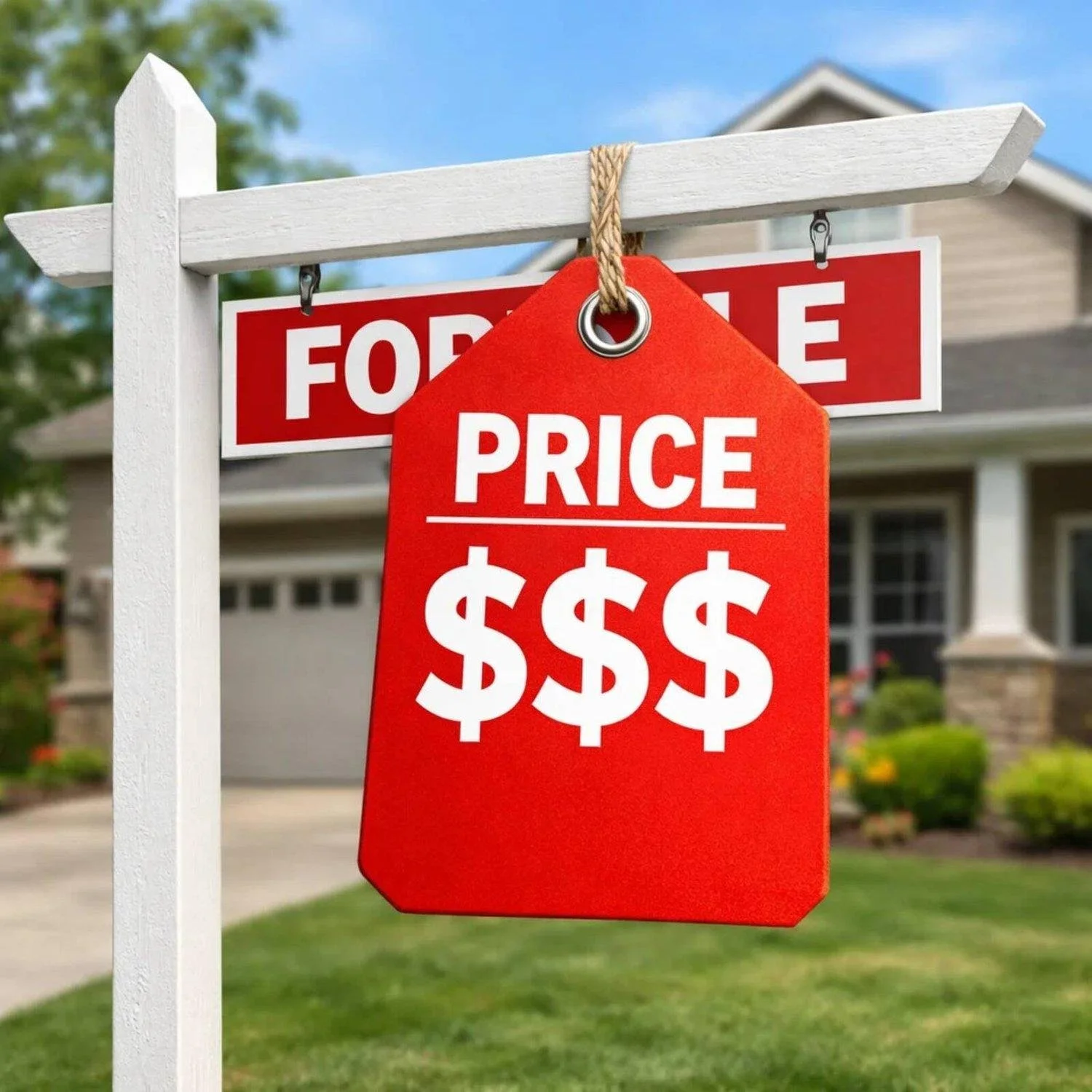
But the one thing that is the umbrella covering everything else, is the price. Sellers tend to overvalue their home. It is logical, natural, and simply part of the process. I would overvalue mine. I can’t not do it. I’ve got too much blood and sweat and tears into the place to be objective. I love that the lights come on automatically when I walk down the basement steps, and that steel I-Beam I installed took two weekends and lots of friends helping. That’s worth something, right?
In my opinion, the most valueable service I can provide as a professional real estate agent is to make sure the sellers knows what their house is worth. The mistake of listing the house too high will cost money. Period. No doubt. It’s a fact. Proven a thousand times. Even if its purely in operating costs. If taxes on a home are $12,000 a year and the listing stays on 3 months longer on the market because it was overpriced, that’s $3,000 that could have been saved. That’s a vacation. That’s part of the moving costs. That’s a downpayment on a car or a kid’s college tuition.
If overpricing happens in the Fall, its usually tripple that amount, because the winter generally means less buyers. Less buyers means a lower sale price. Here is why it’s so important to price a home right out of the gate. The first two weeks is when most buyers lay eyes on the property via all the different web portals. Buyers now are extremely educated. They know when something is too high. They have the data right there. They have been looking for a year or two. They know the market. They are smart. They follow the trends. They use chatGPT to check their own intuition. They are right.
If a buyer sees a house that’s hitting the market too high, they’ll just wait. They know it’ll come down eventually. The market is what the market is. Nobody overpays for a house. Unless it’s underprized. In that case, the sale prize will increase. I know this sounds counter intuitive and scary to a seller. I would have a sinking feeling in my stomach too. That’s when trusting one’s real estate agent is most crucial. List for less to get more. Yikes!
Here is a comforting truth: In a seller’s market, it is virtually impossible to underprice a house. I’ve seen it so many times, I lost count. Let’s say, a house is worth $450,000, which means that if it were listed at $450,000 it’ll probably sell at $450,000. If, though, it is listed at $475,000, it will probably sell for $440,000 just because the time it spends on the market. If it is listed at $430,000 it will probably sell for $ $460,000 or $465,000.
Here’s why: If something is priced slightly under its value, smart buyers, because they are watching the market every morning during breakfast on their ipad, and given it fits their criteria, will go and see it. If it is prized slightly under its value, more buyers will go and see it. Agents might have trouble booking an appointment. Open houses will have longer lines of cars in front of it. There will be a buzz surrounding the listing. Agents will talk about it and once agents talk about a listing to each other, it will sell for more than it was listed. I’ve seen it many, many times.

The more buyers see a house, the more likely it becomes that more than one offer comes in. The moment there are multiple offers—if the house is listed under its value—the price will usually rise above what it’s listed for. I have many examples in my own sales record proving this truth over and over again. Agents in my office have shared this experience many, many times over. It’s not a myth. It’s a fact.
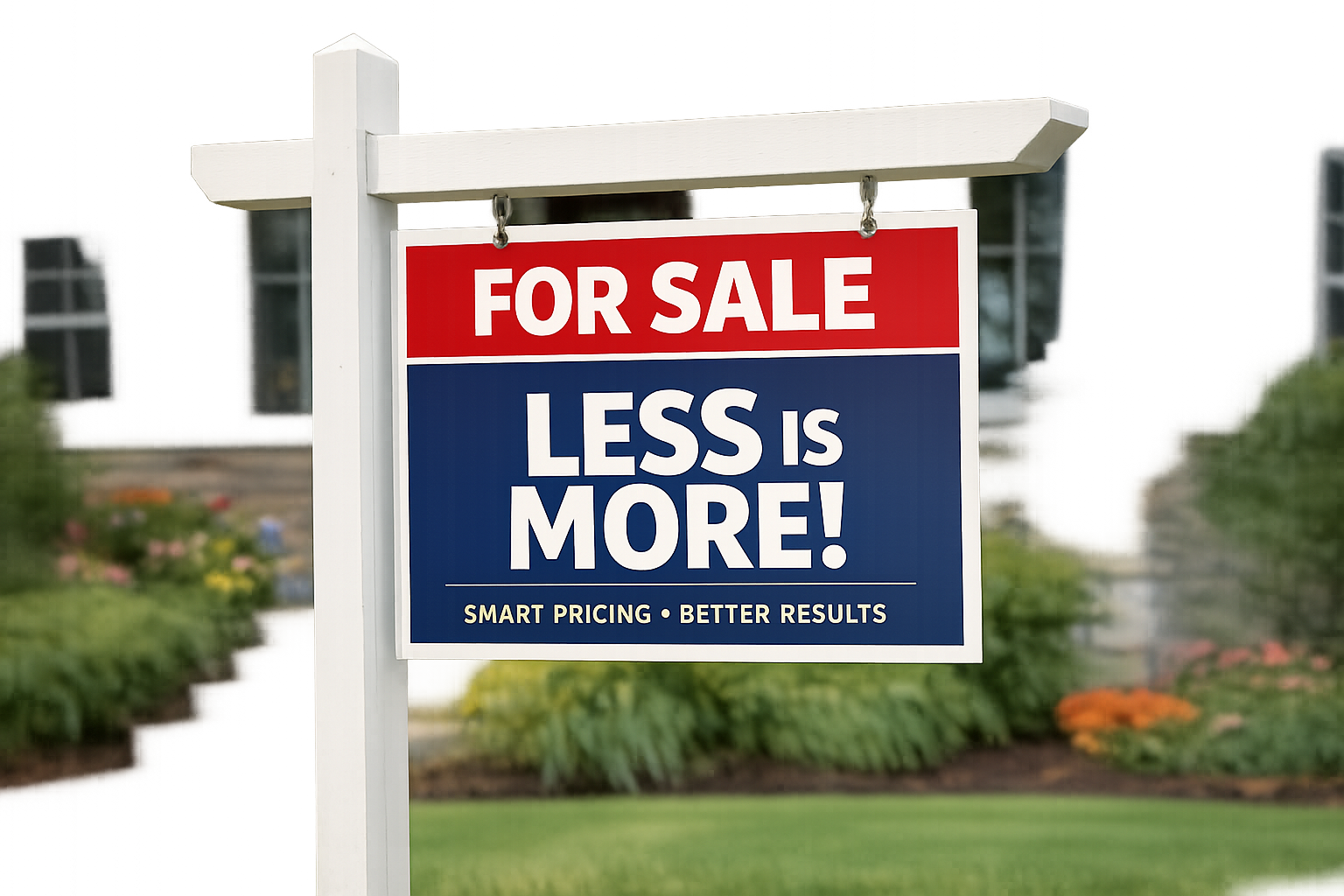
Multiple offers means backup offers, which means that if one buyer backs out there is most likely another right behind it. Not only does listing a home at the right price—slightly under its value—generate more buyers. It makes the transaction more likely to go to the closing table. And because risk reduction is my overriding goal for my sellers, listing a home lower than its value, lowers the risk of the transaction falling apart before closing AND gets them more money in the end.
One more aspect that goes naturally with this topic: Only in very rare cases will I tell sellers on our first visit what the house is worth. I might have a sense of the price. I might know what the seller wants to get. But I will not be accurate unless I compare the house I was just in to the comparable sales in the area, to the active homes in the area, and placing it in the greater context of where the market is going. I can only do that once I’ve seen the house, felt it, thought about it, looked at the numbers, compared it to others that sold and digested everything.
Our goal as a company, for a seller, is to lower the risk to the seller not reaching the closing table AND getting them the highest return of investment possible. This usually means, listing the property for less than its actual value.
Stefan Bolz is the Principal Broker/Owner, of Hudson Dwellings Realty. We provide free market analyses for homes in Ulster and Dutchess County. Our agents have the training, know-how, and experience to price your home right. Absolutely no strings attached. Meet the team here: https://www.hudsondwellingsrealty.com/about